
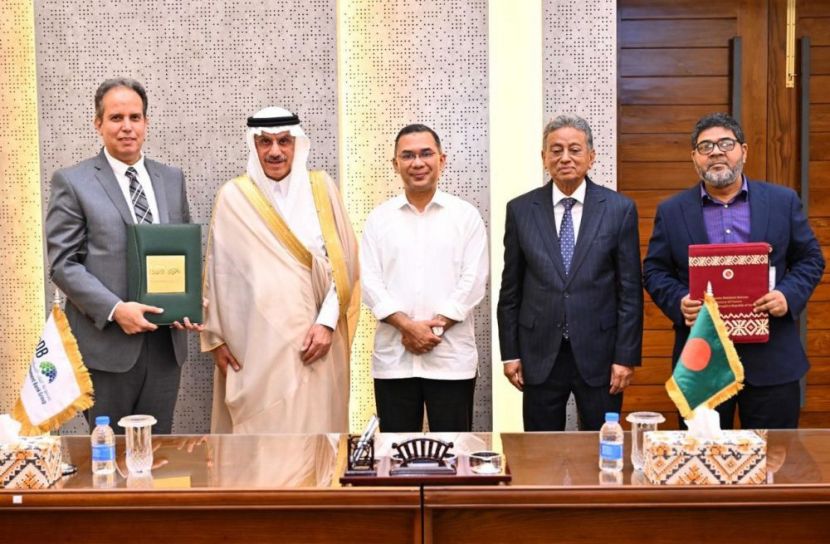










After 13 years of delay, multiple revisions, and mounting cost overruns, Bangladesh’s long-awaited Eastern Refinery Unit-2 (ERL-2) project is finally gaining momentum. A major breakthrough is set for September 3 with the official signing of a $1.004 billion loan agreement with the Islamic Development Bank (IsDB), alongside the rapid procurement of an international consulting firm.
Overcoming a 13-Year Bottleneck
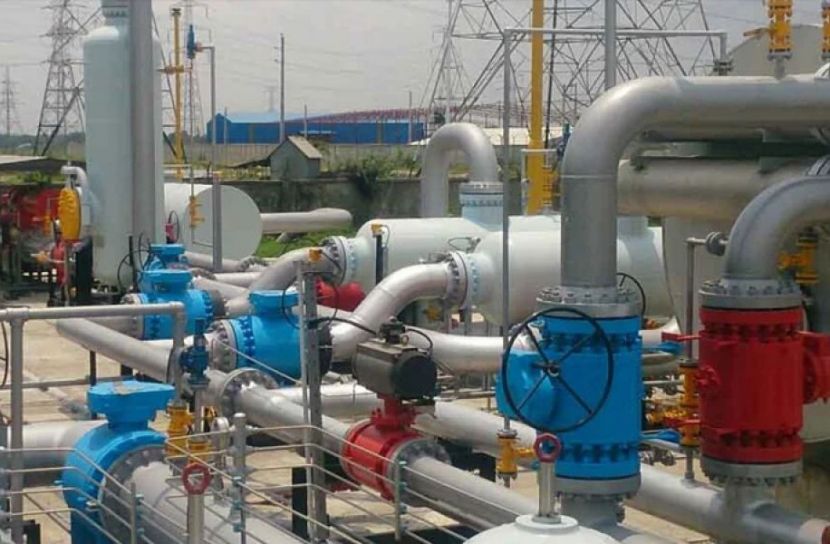
Built in Patenga in 1968, Bangladesh's sole state-owned refinery currently operates with an annual crude oil processing capacity of 1.5 million tonnes. Over decades of continuous use, its efficiency has naturally declined. With Bangladesh’s national demand for refined oil now sitting at nearly 7 million tonnes annually, the country relies heavily on importing expensive refined petroleum, causing a massive drain on foreign exchange reserves.
Initially conceived in 2010 with an estimated cost of BDT 13,000 crore, the ERL-2 project stalled due to funding hurdles and administrative complexities. Following 12 revisions, the project scope has been updated to a total cost of BDT 35,465 crore ($2.95 billion), with completion targeted for November 2030.
Key Economic & Strategic Benefits
The deployment of the second unit on 70 acres of existing ERL land will transform the domestic energy landscape:
-
Capacity Expansion: Increases national crude refining capacity from 1.5 million to 4.5 million tonnes annually.
-
Massive Cost Savings: Refining crude locally reduces costs by approximately $20 per barrel. Bangladesh Petroleum Corporation (BPC) estimates this will save around $473 million (BDT 5,788 crore) annually in foreign currency.
-
High-Grade Production: Designed to produce Euro-5 standard petrol and diesel, alongside Jet Fuel, LPG, base oil, furnace oil, and bitumen.
-
Heavy Crude Capability: Modern equipment will allow the facility to process lower-grade, heavier crude oils, giving Bangladesh greater flexibility and leverage in global crude procurement.
-
SPM Integration: The existing Single Point Mooring (SPM) double pipeline system will transport crude directly from deep sea to onshore storage, drastically reducing handling time and logistics costs.
What Lies Ahead
With IsDB financing secured, BPC is fast-tracking the selection of an international consultant to handle detailed engineering design, tender preparation, contractor selection, and overall construction supervision.
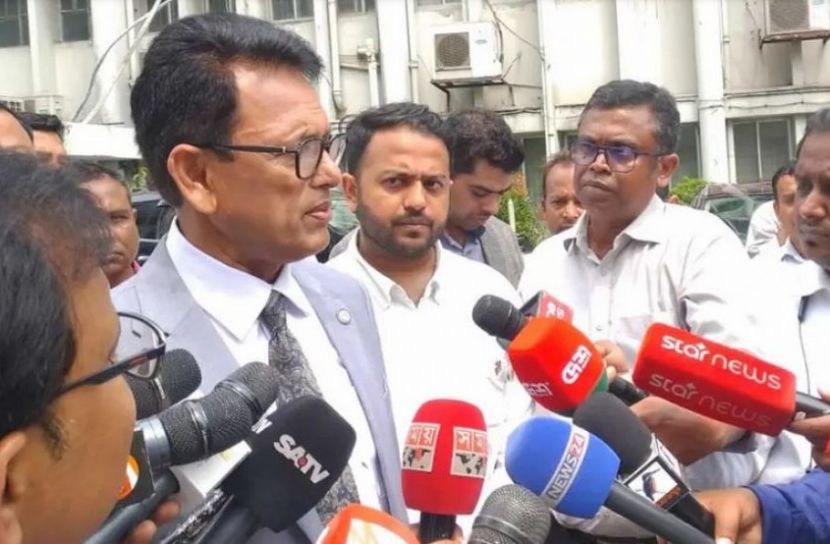
Engr. Sharif Hasnat, Managing Director of Eastern Refinery Limited, confirmed the progress, emphasizing that the project aims to begin trial runs by 2030. Once fully operational, ERL-2 will serve as a cornerstone for Bangladesh’s long-term energy independence and economic stability.
How would you like to build on this coverage—would you like to develop an executive summary presentation, draft social media promotion copy, or explore a deep dive into the underlying economic impact?