
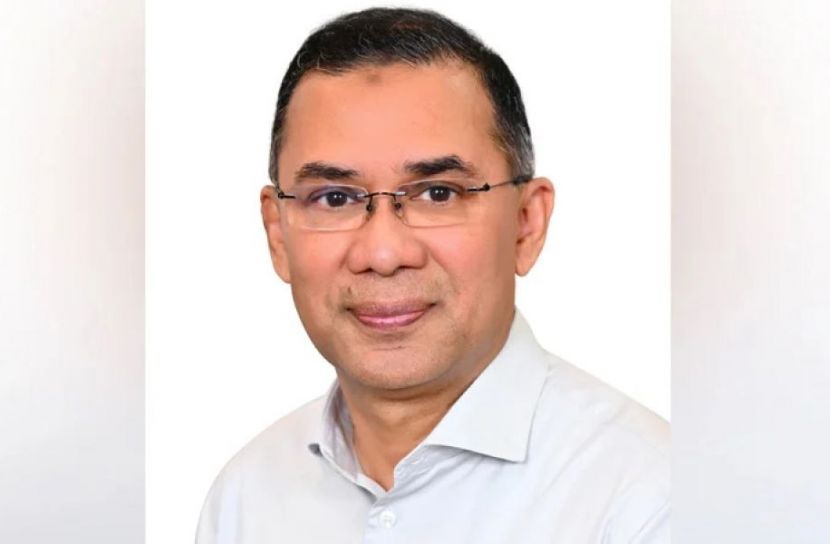

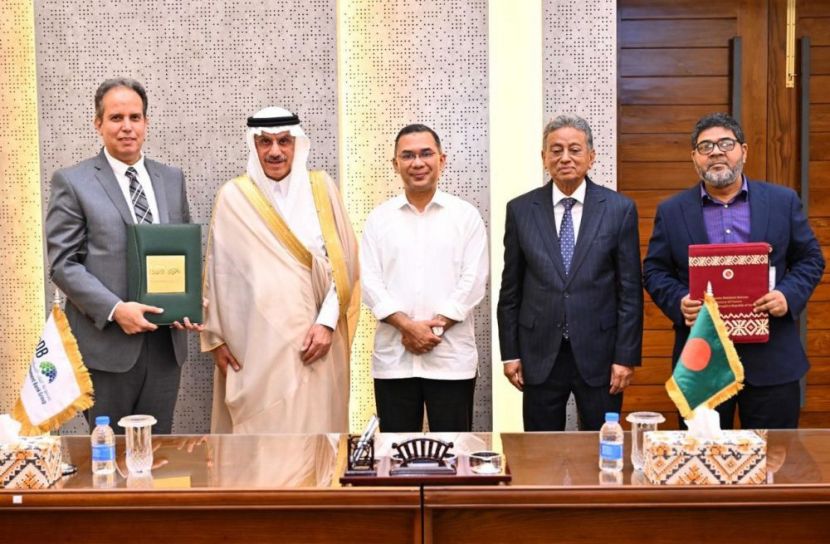

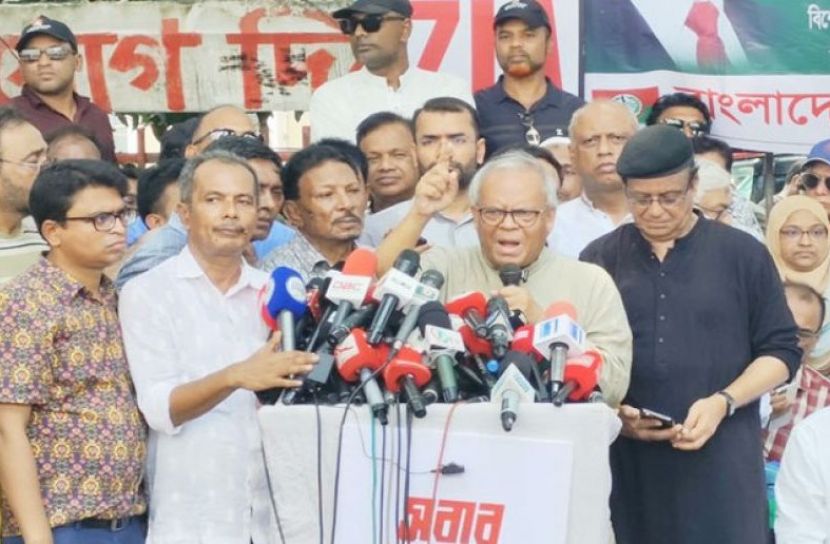



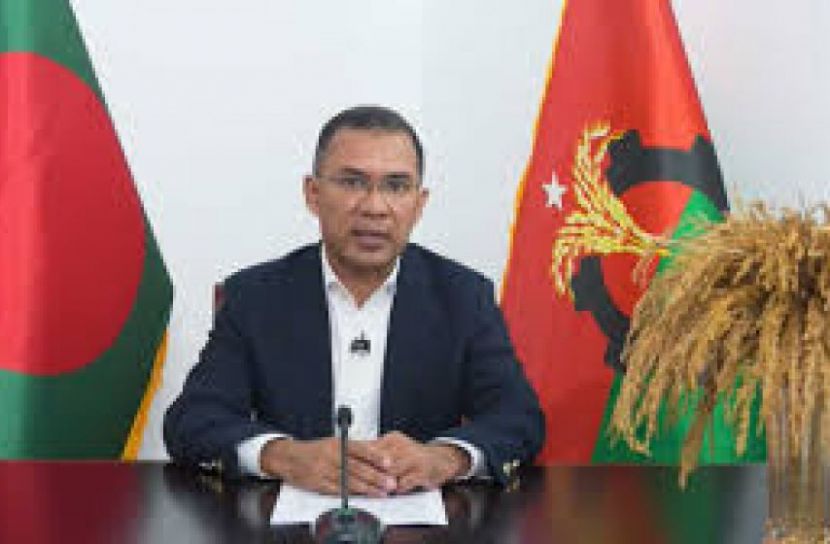
Bangladesh Natioanlist Party (BNP) Chairman Tarique Rahman has expressed strong confidence that his party will secure enough public support to form the next government independently in Bangladesh’s 13th parliamentary election, scheduled for February 12.
In an exclusive interview with DW, Tarique discussed the upcoming polls, youth and women empowerment, foreign relations, and his plans to ensure justice for victims of enforced disappearances and extrajudicial killings.
Tarique, who returned to Bangladesh after 17 years in exile, said balancing personal grief and political responsibility was his biggest challenge, as his mother, former prime minister Khaleda Zia, passed away just days after his return. “Managing election preparations while coping with personal loss was extremely difficult, but I tried my best to move forward,” he said.
Responding to questions about the credibility of the February 12 election, Tarique said both the BNP and the public expect a free and fair vote. “We are hopeful the election will be credible. The people of Bangladesh also share this expectation,” he said.
Addressing the growing number of young and first-time voters, Tarique said BNP’s election manifesto focuses on inclusive development, targeting youth, women, the elderly, and people with disabilities. “We have designed our policies for everyone, because building the country requires collective effort,” he said.
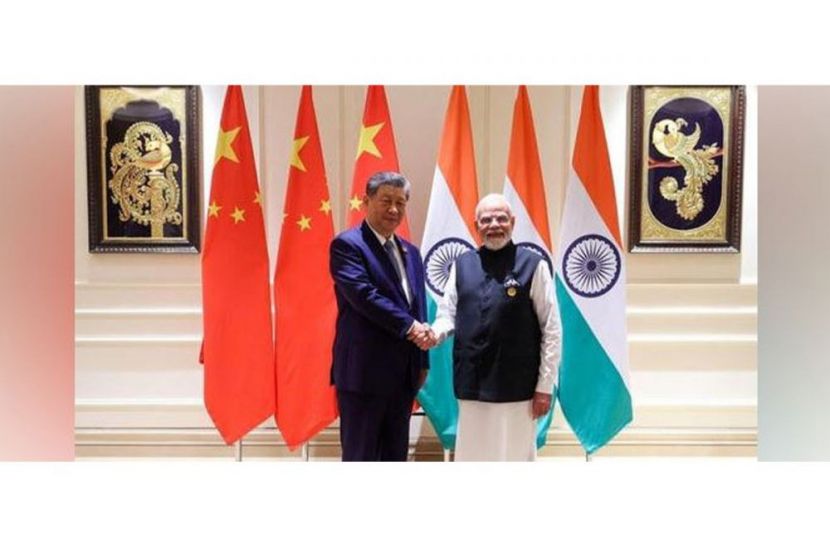
On relations with India, Tarique said Bangladesh would prioritize national interest in all bilateral agreements. “If any deal goes against the interests of our people, we will naturally maintain distance, regardless of the country involved,” he stated.
Regarding China, he emphasized pragmatic diplomacy. “In today’s interconnected world, Bangladesh will maintain relations with all countries based on mutual benefit and national interest,” he said.
Tarique ruled out forming a unity government with Jamaat-e-Islami, saying BNP is confident of winning outright. “A balanced democracy requires a strong opposition. If everyone joins the government, governance becomes ineffective,” he said.
On women’s political participation and empowerment, Tarique highlighted BNP’s long-term strategy, including expanding free education for girls beyond secondary level and introducing a family card system to provide financial support to homemakers, especially those from marginalized communities.
He also outlined plans to increase women’s employment, establish childcare centers, and introduce women-only electric buses in major cities to improve safety and mobility. “Our goal is to ensure education, economic independence, and security for women,” he said.
Asked about the Awami League’s exclusion from the election following its ban under anti-terror laws, Tarique said public acceptance ultimately determines political legitimacy. “In politics, no one can be sustained by force. Only those accepted by the people can survive,” he said.
Responding to claims that several BNP candidates are loan defaulters, Tarique distinguished between corruption and financial hardship. He said many party members and business leaders were targeted and harassed during years of political repression, which disrupted their businesses and access to legitimate bank loans. “Loan default does not equate to corruption. These are two separate issues,” he said.
Tarique pledged to ensure justice for victims of enforced disappearances, extrajudicial killings, and political violence over the past 15 to 16 years. “In a civilized society, no one should disappear or be killed without accountability. Every victim deserves justice under the law,” he said.
He added that a future BNP government would take concrete steps to investigate abuses and ensure legal remedies for victims and their families.
PT/ra