





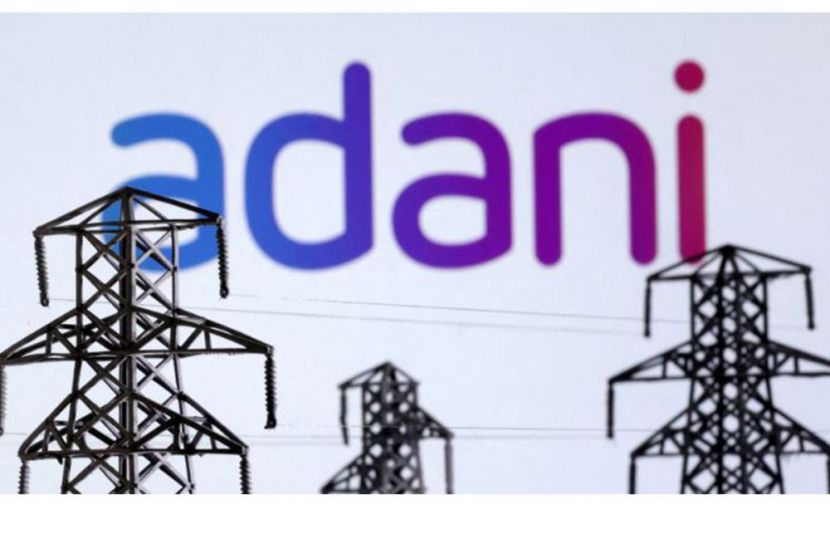









The long-term power purchase agreement was signed in 2017 for electricity from the Godda plant. The latest disruption has revived questions over contractual safeguards, including provisions relating to fuel supply, plant maintenance, unexpected outages and compensation for failure to supply contracted electricity.
Energy experts have previously raised concerns over the terms and financial implications of the agreement, while the government faces pressure to ensure that disruptions at any single plant do not create a major impact on the national grid.
The sequence of events has prompted speculation over whether electricity could become part of the wider diplomatic equation between Dhaka and New Delhi.
However, experts caution that timing alone cannot establish a political connection. A technical failure at the plant and earlier coal-supply problems provide alternative explanations for the reduced generation.
The issue, therefore, requires scrutiny of the plant’s technical reports, generation data, coal-supply records and the terms of the power purchase agreement rather than political speculation alone.
For Bangladesh, the incident once again highlights the risks of heavy dependence on imported electricity and the need for sufficient domestic generation and backup capacity.
Electricity is ultimately supplied under a commercial agreement, and any failure to maintain supply should be addressed through contractual and regulatory mechanisms, regardless of the broader political relationship between the two countries.
PT/ra